
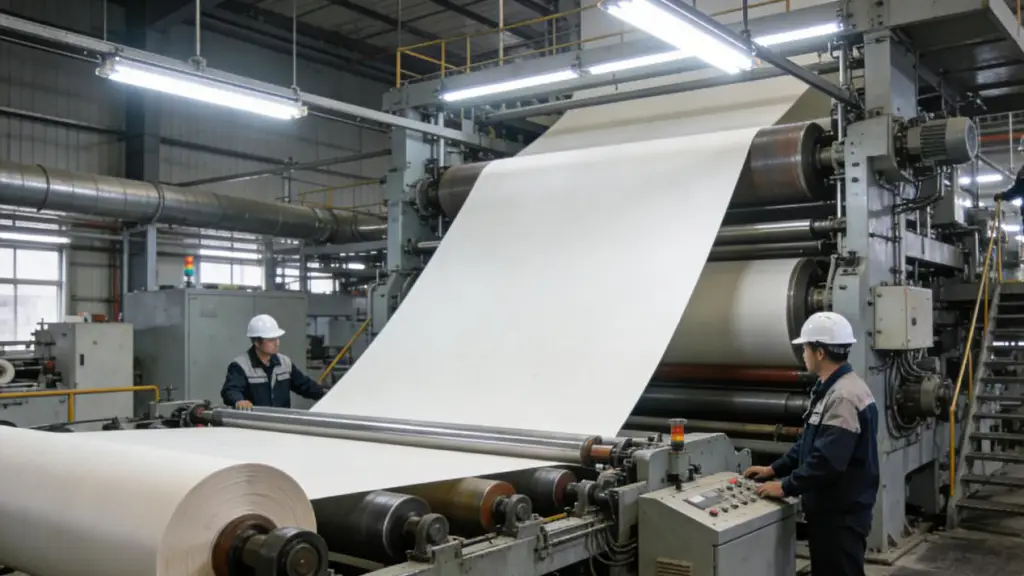
In modern paper manufacturing, maintaining the right environmental conditions is critical for ensuring product quality and production efficiency. One of the most important factors in this process is humidity control. Industrial humidifiers play a vital role in stabilizing moisture levels inside paper mills, helping manufacturers improve paper quality, reduce waste, and increase operational efficiency.
In this article, we’ll explore why paper mills use industrial humidifiers, the benefits of proper humidity control, and how the right humidification system can optimize paper production.
Why Humidity Control Matters in Paper Mills
Aper is made primarily from cellulose fibers, which are highly sensitive to environmental humidity. These fibers naturally absorb or release moisture depending on the surrounding air conditions. When the air becomes too dry, paper loses moisture and becomes brittle, which can cause a range of production issues.
For most paper mills, the recommended relative humidity level is between 45% and 60%. Maintaining this range helps keep the paper fibers stable and ensures smooth processing during manufacturing, converting, and packaging.
Without proper humidity control, paper mills may experience frequent production problems and quality inconsistencies.
Key Problems Caused by Low Humidity in Paper Production
1. Static Electricity
Low humidity increases static electricity buildup on paper surfaces and machinery. Static can cause sheets to stick together, attract dust, and interfere with automated equipment.
Industrial humidifiers help neutralize static electricity, ensuring smooth paper handling and reducing production interruptions.
2. Paper Curling and Dimensional Changes
When humidity drops, paper fibers shrink and lose flexibility. This often leads to:
- Paper curling or warping
- Sheet misalignment
- Poor stacking during packaging
By maintaining stable humidity levels, industrial humidifiers help preserve paper dimensional stability throughout the production process.
3. Paper Breaks on High-Speed Machines
Modern paper machines operate at extremely high speeds. Dry paper becomes brittle and more prone to tearing during production.
Frequent paper breaks can result in:
- Production downtime
- Increased maintenance costs
- Material waste
Proper humidification reduces paper brittleness and improves machine performance.
4. Reduced Print and Coating Quality
For mills producing printing or specialty paper, humidity plays an important role in surface quality and ink absorption. When paper is too dry, it may lead to uneven coating, poor print registration, and inconsistent color results.
Industrial humidifiers help maintain the ideal moisture balance required for high-quality printing and finishing processes.
Benefits of Industrial Humidifiers in Paper Mills
Installing an industrial humidification system provides several key advantages for paper manufacturers:
Improved Product Quality
- Stable humidity ensures paper maintains its strength, flexibility, and dimensional accuracy, resulting in higher-quality products.
Increased Production Efficiency
- Consistent environmental conditions reduce machine stoppages caused by paper breaks or static problems.
Reduced Waste
- By minimizing defects and damaged paper, humidifiers help improve production yield and reduce raw material waste.
Better Workplace Environment
- Humidification can also reduce airborne dust and static shocks, creating a more comfortable and safer working environment for employees.
Types of Industrial Humidifiers Used in Paper Mills
Different humidification technologies are used depending on factory size and production requirements.
High-Pressure Mist Humidifiers
These systems generate ultra-fine mist using high-pressure pumps. They are energy-efficient and ideal for large industrial spaces like paper mills.
Ultrasonic Humidifiers
Ultrasonic systems use high-frequency vibrations to create a very fine mist, offering precise humidity control with low energy consumption.
Steam Humidifiers
Steam systems produce sterile vapor and are commonly used in facilities requiring high levels of humidity control and cleanliness.
How to Choose the Right Humidification System for a Paper Mill
When selecting an industrial humidifier for a paper production facility, several factors should be considered:
- Factory size and layout
- Required humidity range
- Production speed of paper machines
- Energy efficiency requirements
- Maintenance and operational costs
Working with an experienced humidification supplier can help determine the most suitable solution for your specific paper mill environment.
Conclusion
Humidity control is a crucial but often overlooked factor in paper manufacturing. Industrial humidifiers help maintain optimal moisture levels, preventing static electricity, paper breakage, and product defects.
By installing a reliable humidification system, paper mills can improve product quality, production efficiency, and overall operational stability.
As paper production technology continues to advance, industrial humidifiers will remain an essential component of modern paper mill environments.