
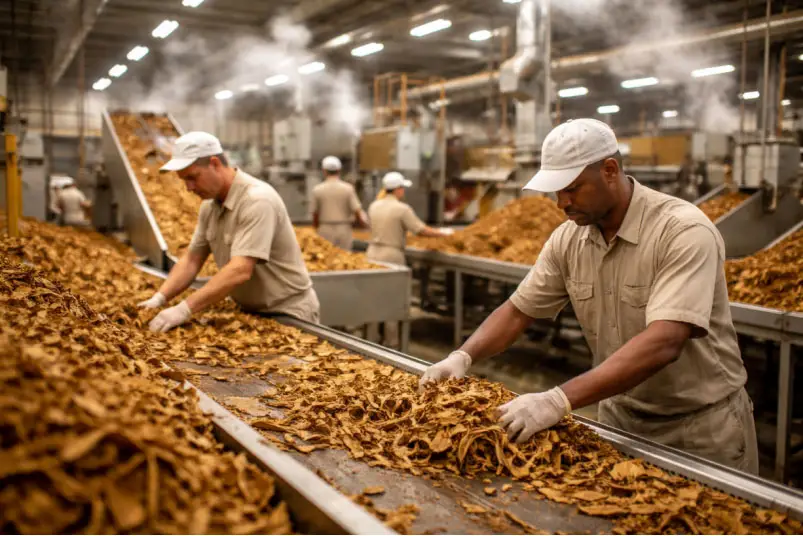
A Popular Science Guide to Humidity Control in Tobacco Processing
Humidity might seem like a small environmental factor, but in tobacco processing it plays a critical role. From the moment tobacco leaves are cured to the final stages of cigarette or cigar production, maintaining the right moisture level is essential. That’s why many tobacco factories rely on industrial humidifiers to carefully control the air conditions inside their facilities.
In this article, we’ll explore how humidity affects tobacco, why factories use industrial humidifiers, and how proper humidity control improves both product quality and production efficiency.
Why is humidity control so crucial for the tobacco factories?
obacco leaves are a natural agricultural product, which means they are highly sensitive to changes in humidity. Like many plant materials, tobacco leaves naturally absorb and release moisture depending on the surrounding air.
When the air becomes too dry, tobacco leaves lose moisture quickly. This causes the leaves to become brittle, fragile, and difficult to process. On the other hand, maintaining the right level of humidity helps the leaves remain soft, flexible, and workable.
For most tobacco processing environments, factories aim to maintain a relative humidity between 60% and 70%, depending on the specific stage of production.
What are the primary challenges posed by low humidity for the tobacco factories?
1. Tobacco plant growth is hindered
Dry air can cause the moisture in the tobacco leaves to evaporate too quickly, leading to leaf cracking or discoloration, which affects the quality and yield of the tobacco.
Young leaves grow slowly, and their leaf thickness and flexibility decrease, which affects the flavor and aroma of the tobacco after processing.
2.Decline in tobacco quality
Low humidity can lead to an uneven distribution of moisture within the tobacco leaves, causing fluctuations in sugar and nicotine content, which in turn affects the combustion characteristics and flavor of the cigarettes.
Dry leaves are prone to shattering, which reduces the overall neatness and yield of the tobacco-curing process.
3. Increased risk of pests and diseases
Certain pests, such as aphids and thrips, become more active in dry conditions, which can lead to damage to the tobacco leaves.
Unstable humidity levels can contribute to the growth of mold during storage or roasting, thereby affecting the hygiene and safety of tobacco products.
4. Increased difficulty in baking and storing
Low-moisture tobacco leaves tend to lose water too quickly during the curing process, resulting in uneven curing and increasing the difficulty of processing.
During storage, the leaves become dry and brittle, leading to an increase in the rate of loss during packaging and transportation.
5. Increased production costs
To maintain an appropriate level of humidity, additional humidification equipment, sprinkling systems, or upgraded temperature control facilities need to be employed, which increases energy consumption and labor costs.
The drying process leads to fluctuations in the quality of the tobacco leaves, necessitating additional screening, refining, and remedial measures.
6. Decreased market competitiveness of the final product
Unstable tobacco quality, decreased flavor, and poor burning characteristics can negatively impact the market reputation and consumer satisfaction of cigarette brands.
Benefits of Industrial Humidifiers in tobacco factories
Installing an industrial humidification system provides several key advantages for tobacco factories:
Preventing Tobacco Leaves from Breaking
Industrial humidifiers add controlled moisture to the air, helping tobacco leaves retain their flexibility and reducing breakage during processing.
Maintaining Product Quality
Humidity directly affects the texture, aroma, and overall quality of tobacco products.
Improving Processing Efficiency
By maintaining proper humidity levels, industrial humidifiers help keep production running smoothly and efficiently.
Reducing Dust and Static Electricity
Industrial humidifiers help reduce dust levels by maintaining balanced moisture in the air. In addition, higher humidity reduces static electricity, which can otherwise cause materials to stick to machinery or packaging equipment.
Creating a Better Factory Environment
Humidity control also contributes to a better working environment for employees.
Types of Industrial Humidifiers Used in tobacco factories
Different humidification technologies are used depending on factory size and production requirements.
High-Pressure Mist Humidifiers
These systems create ultra-fine water droplets that quickly evaporate in the air. They are energy-efficient and suitable for large tobacco processing areas.
Ultrasonic Humidifiers
Ultrasonic humidifiers use high-frequency vibrations to produce extremely fine mist, allowing for precise humidity control.
Steam Humidifiers
Steam systems release clean vapor and are often used where strict hygiene or controlled environments are required.
How to Choose the Right Humidification System for tobacco factories?
When selecting an industrial humidifier for a tobacco factories ,several factors should be considered:
- Production space size and layout
- Vaporization effects and technical requirements
- Control of the desired humidity range
- Environmental and safety requirements
- Maintenance and operational costs
- Overall or localized humidification strategies
Working with an experienced humidification supplier can help determine the most suitable solution for your specific tobacco factories environment.
Conclusion
Humidity control is a key factor in maintaining the quality and efficiency of tobacco processing. Without proper moisture levels, tobacco leaves can become brittle, production efficiency can decrease, and product quality may suffer.
Industrial humidifiers help tobacco factories maintain stable environmental conditions, ensuring that tobacco leaves remain flexible, machines operate smoothly, and final products meet consistent quality standards.
In the modern tobacco industry, industrial humidification is an essential technology that supports both production efficiency and product quality.